
Does the final dress fitting feel closer than expected? Wondering if small areas like the waist, arms, or back need attention before photos and events begin? A bride may also want a plan that feels manageable besides dress appointments, travel, and beauty prep. Non-surgical body treatments can support a pre-wedding plan when the timeline allows. Let’s look at what to know before the calendar fills up.
A Calm Start Before the Date
Non-invasive body contouring may suit brides who want to address specific areas without surgery. It can be discussed for zones such as the waist, arms, thighs, back, or bra line, based on the dress style and personal goals. The right choice depends on health history, treatment comfort, and how much time remains before fittings or photos. A consultation can help set a plan that feels practical beside the rest of the wedding schedule.
This treatment is not a weight-loss plan or a last-minute fix before the ceremony. It may help refine areas that still feel stubborn after steady diet and exercise habits. Results can vary from person to person, so clear expectations matter from the start. A provider should explain likely outcomes, limits, visit frequency, and aftercare in plain detail.
What Cellsound May Do
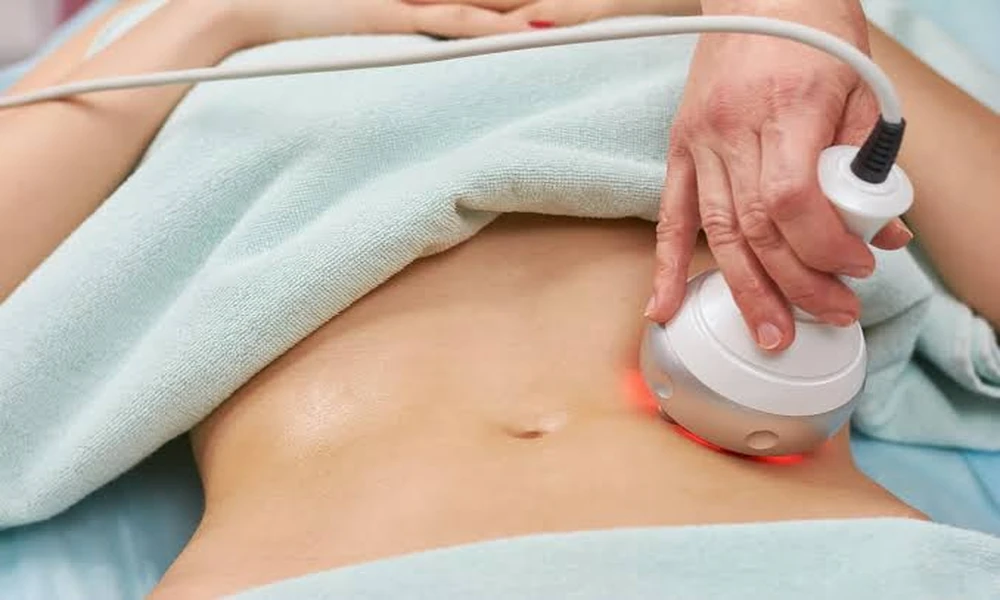
Cellsound uses ultrasound energy for body sculpting without needles, heat, or freezing. The treatment is described as a way to address fat reduction and skin firmness. It may also support collagen response, which can affect texture and tone. A provider can explain if the method fits the concern.
Bridal goals often relate to dress fit and comfort. A strapless gown may draw attention to the arms or upper back. A fitted dress may make the waist or lower belly a focus. Non-invasive body contouring may be one option to discuss before final alterations.
Areas Brides Ask About
Treatment areas should match the dress and personal comfort level. The abdomen, love handles, thighs, glutes, arms, and back are common zones. A bride in a sleeveless dress may focus on upper arms. A fitted gown may shift attention to the midsection.
Key Points to Discuss First
- Treatment area and number of visits
- Timing before dress fittings
- Possible redness or tenderness
- Water intake and aftercare steps
These questions help set a realistic plan. They also help avoid schedule stress near the ceremony. A provider may suggest photos, measurements, or a follow-up visit that helps to track change.
Timeline Before the Big Day
A bride should ask how soon results may appear. Some body treatments need a series, with time between visits. The body may also need time to process treated fat cells. That makes an early schedule useful.
Dress fittings matter too. Major treatment changes close to a final fitting can create extra stress. A safer plan leaves room for normal body shifts, travel, and pre-wedding events. Clear dates can help the beauty plan stay practical.
Safety and Medical Review
A qualified provider should review medical history before any aesthetic procedure. This may include current medications, prior surgery, implanted devices, recent treatments, and pregnancy status. The visit can also cover the treatment method, comfort level, aftercare, and likely response.
Medical guidance helps match the procedure to the person and the treatment area. Non-surgical contour options may support gradual shape refinement in specific zones. Healthy habits, hydration, and steady activity can support the overall plan. The best goal is a comfortable fit with expectations based on a proper consultation.
Non-surgical body sculpting may help brides address specific areas before wedding season. Cellsound is one option that uses ultrasound and may support fat reduction and firmness. The right plan depends on the dress, timeline, health history, and comfort with the process. A consultation can help decide if treatment belongs in the pre-wedding plan.