
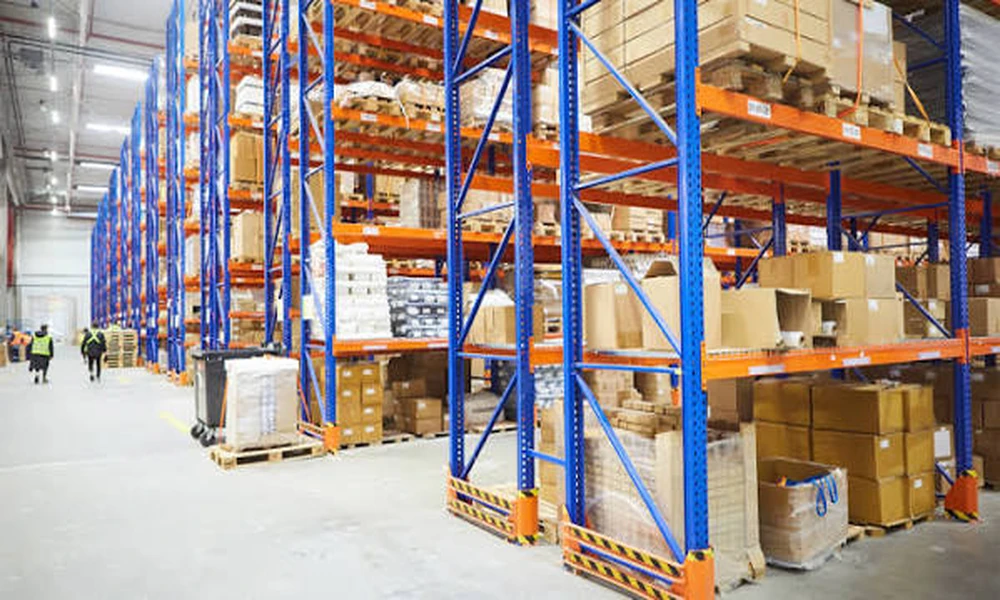
Distribution centers are the silent engines behind today’s rapid-fire commercial world. Products flow in and out, orders fly at record speed, and every square foot is precious. Yet, as demands intensify and supply chains grow intricate, the role of design in shaping these facilities has never been more critical. Strategic design is no longer just about maximizing storage; it is about enabling smarter, safer, and more adaptable operations.
The Challenges Facing Modern Distribution Centers
Warehousing is shifting from simple storage to high-stakes logistics. This transformation brings a host of new headaches for operators and designers alike.
Increasing Complexity of Supply Chains
Global sourcing and just-in-time delivery make it impossible to rely on static workflows. Distribution centers must synchronize with suppliers, manufacturers, and retailers across continents and time zones.
Rising Customer Expectations for Speed and Accuracy
With two-day (or even same-day) shipping now a baseline, accuracy cannot slip. One misplaced item can ripple out as lost loyalty and extra costs.
Space Constraints and Urban Location Pressures
Urban sprawl pushes distribution centers closer to city limits, where land is scarce and expensive. Efficient use of space, vertically and horizontally, is no longer optional.
Energy Consumption and Sustainability Concerns
These facilities consume massive amounts of energy, making sustainability a business imperative, not just a moral one. Regulations, public perception, and bottom lines all depend on adopting greener practices.
How Strategic Design Addresses Operational Inefficiencies
Solving these multifaceted challenges requires more than clever shelving. It calls for thoughtful, future-ready design at every level.
Optimizing Layouts for Streamlined Workflow
Strategic design directs traffic, both human and mechanical, to eliminate bottlenecks. Well-planned aisles, dock placements, and buffer zones minimize wasted motion and speed up order fulfillment.
Integrating Automation and Technology Thoughtfully
Automated storage and retrieval systems (AS/RS), conveyor belts, robotics, and smart sensors demand space and infrastructure. Thoughtful design ensures these elements complement, rather than complicate, human workflows.
Enhancing Flexibility to Adapt to Market Changes
Markets change overnight. A center designed with modular racking, moveable partitions, and scalable infrastructure can switch gears quickly, from handling bulky items to rapid-pick e-commerce orders.
Designing for Safety and Ergonomics
High ceilings and narrow aisles may maximize storage, but without careful planning they risk worker safety. Strategic design finds the sweet spot, integrating ergonomic workstations, clear sight lines, and accessible emergency exits.
The Role of Architecture in Enhancing Distribution Performance
Architecture sets the tone for both form and function. But it is not just about how a distribution center looks; it is about how it performs.
Balancing Functionality with Aesthetic Appeal
A visually cohesive facility boosts employee morale and supports brand identity. Natural lighting, inviting break rooms, and considered materials can make a tough environment feel welcoming.
Materials and Construction Techniques for Durability and Efficiency
Industrial floors take a pounding. Advanced coatings, high-tensile steel structures, and energy-efficient insulation ensure that buildings endure the daily grind while keeping maintenance costs low.
Incorporating Sustainable Design Principles
Green roofs, high-efficiency HVAC, and rainwater harvesting can transform energy-hungry warehouses into sustainability showcases. Thoughtful siting maximizes passive solar gain or shade as needed.
Case Studies: Innovative Designs by Stendel + Reich Architecture
From sprawling fulfillment centers to urban “last-mile” depots, the Stendel + Reich distribution center architecture firm has pushed the envelope in balancing performance and sustainability. Their work for clients like Colabor and Franklin Empire demonstrates how smart, site-specific design delivers tangible results.
Technology as a Catalyst in Strategic Design
Modern distribution centers are digital ecosystems as much as physical ones.
Smart Building Systems and IoT Integration
Sensors track everything from temperature to forklift movements in real time. Automated alerts prevent downtime, while predictive analytics optimize everything from lighting to equipment maintenance.
Advanced Warehouse Management Systems (WMS) Compatibility
Designing with WMS in mind means embedding data points, barcode readers, RFID portals, network access, throughout the facility, streamlining digital and physical operations.
Energy Management and Environmental Controls
Automated systems adjust lighting, heating, and cooling based on occupancy and weather, cutting utility costs and carbon footprints simultaneously.
Creating a Future-Ready Distribution Center
Facilities built today must stay relevant tomorrow.
Modular and Scalable Design Approaches
Expandable structures and flexible layouts mean a center can grow or pivot without expensive overhauls.
Preparing for Emerging Trends in E-commerce and Logistics
Micro-fulfillment, dark stores, and autonomous vehicles are rewriting the playbook. A future-ready design considers spaces for next-gen sorting, packing, and delivery methods.
Collaboration Between Architects, Engineers, and Operators
Regular engagement among stakeholders ensures that design choices solve real-world operational headaches, not just theoretical ones.
Actionable Steps to Elevate Your Distribution Center Through Design
– Conduct comprehensive needs assessments: Map your operational processes to root out inefficiencies.
– Prioritize flexibility and scalability in planning: Build for today, but leave room for tomorrow’s changes.
– Select partners with proven expertise: Firms specializing in industrial facilities bring invaluable insight.
– Invest in continuous innovation and upgrades: Technology and processes never stop evolving, neither should your facility.
Measuring Success: KPIs for Strategic Design Impact
A well-designed center is not just a pretty facade, it delivers quantifiable improvement.
– Operational Efficiency Metrics: Track order cycle times, picking accuracy, and shipping throughput.
– Employee Productivity and Satisfaction: Monitor turnover rates, injury statistics, and engagement surveys.
– Environmental Impact and Energy Savings: Compare pre- and post-design utility bills and emissions data.
– Customer Satisfaction and Delivery Performance: Analyze on-time delivery rates and feedback scores.
Ultimately, strategic design unlocks opportunities far beyond square footage. It empowers distribution centers to become agile, sustainable, and competitive in a world where efficiency is everything.