
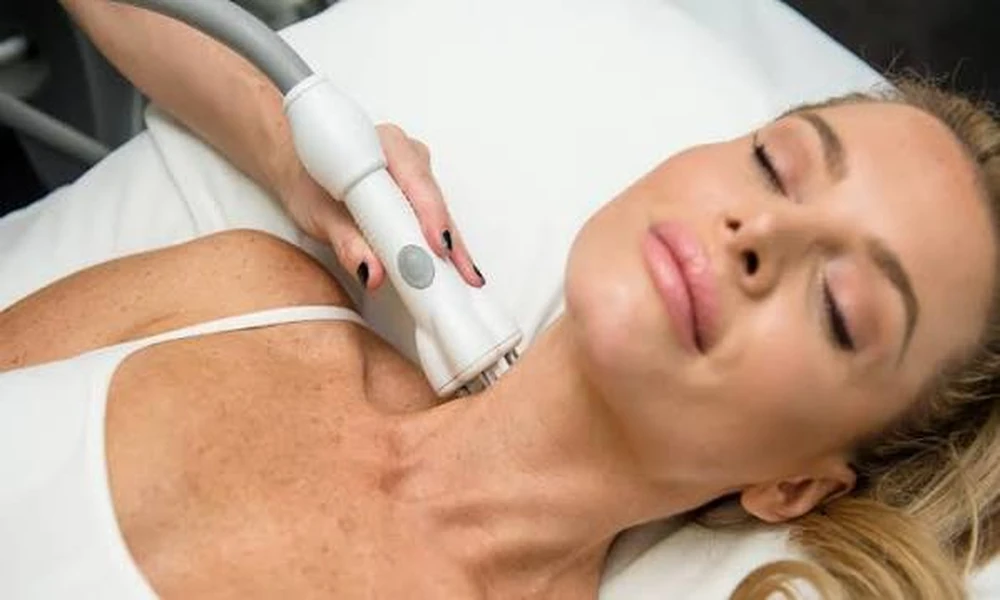
The quest for firmer, smoother skin has sparked a technological arms race in the world of non-surgical aesthetics. Nowhere is this more apparent than in the evolution of radiofrequency (RF) skin tightening devices, where new multifrequency platforms are redefining what’s possible for rejuvenation without needles or downtime.
Origins of Radiofrequency Technology in Skin Tightening
RF energy has been a fixture in skin tightening for decades, but its early generations were simple, relying on single-frequency energy and basic engineering. These devices delivered heat into the dermis, prompting modest collagen contraction and stimulating the body’s natural repair mechanisms. While groundbreaking at the time, such systems were blunt instruments by today’s standards.
Early Single-Frequency Devices and Their Mechanisms
Classic monopolar RF machines worked by channeling a uniform frequency, usually around 6.78 MHz, into the tissue. The principle was straightforward: heat up the deeper layers, cause some mild injury, and let the body rebuild tighter, more elastic skin. Results, though real, often demanded higher energy, leading to discomfort during treatments and variability in outcomes.
Limitations of Traditional Monopolar RF Systems
Single-frequency RF struggled to uniformly treat all skin depths. The fixed penetration meant that some areas received too little or too much energy, creating “hot spots” or insufficient tightening. Safety mechanisms were rudimentary, with a greater risk for burns or post-procedure redness, especially in patients with sensitive or darker skin.
Emergence of Multifrequency Radiofrequency Devices
The next wave of RF innovation draws inspiration from the relentless pace of Korean aesthetic technology. Multifrequency RF, exemplified by devices like Xerf, has rapidly gained traction for its ability to customize treatments and improve safety.
Introduction to Multifrequency Technology
Multifrequency systems use alternating frequencies, often combining 6.78 MHz with lower frequencies like 2 MHz, to better target various skin depths. By adjusting the frequency spectrum, these devices direct energy exactly where it’s needed, layering the thermal effect for more predictable and thorough results.
Advantages of Alternating Frequencies for Skin Penetration
Unlike traditional systems, multifrequency RF can address superficial laxity and deep tissue tightening in a single session. This customized penetration means less energy is required at any one depth, minimizing discomfort and reducing the risk of side effects.
Role of Monopolar Versus Multipolar Delivery
Most advanced devices, such as Xerf, retain monopolar delivery for deep, uniform penetration, but enhance it with multifrequency options. The combination improves both efficacy and safety, whereas older multipolar systems often lacked consistency in energy distribution.
How Traditional and Multifrequency RF Devices Work
Understanding the difference in action is key to appreciating why multifrequency RF is setting new standards.
Energy Delivery and Tissue Interaction in Traditional RF
Classic RF generates bulk heating at a fixed depth, relying on the body’s generalized response to thermal stress. While this triggers some collagen remodeling, the effect is subtle and the margin for error is slim.
Multifrequency RF: Targeting Multiple Skin Layers Simultaneously
By switching between frequencies, advanced RF devices can stimulate both superficial and deep dermal layers. Multifrequency delivery provides greater control, allowing for precise adjustments based on skin thickness and patient needs.
Thermal Stimulation and Collagen Remodeling Differences
Modern RF devices not only heat collagen fibers for immediate contraction, but also trigger robust neocollagenesis through sustained, layered stimulation. This dual action translates to firmer, more resilient skin with less downtime.
Technological Innovations Driving Multifrequency RF
The leap in performance goes beyond frequency manipulation. Engineering advances have transformed patient experience and safety.
Engineering Advances: Tips, Cooling, and Pulse Control
Innovative applicator tips with built-in temperature monitoring and integrated cryogen cooling keep the skin surface comfortable, even as deeper layers heat. Features like Wave Fit pulse control, as seen in Xerf, ensure energy delivery is optimized for each pass.
Integration of Safety Features and Patient Comfort Enhancements
Real-time feedback systems constantly adjust output to protect the skin, making treatments virtually pain-free and eliminating the need for pre-procedure numbing. This is a far cry from the days when discomfort and redness were common.
Examples of Leading Multifrequency Devices
Korean-developed platforms, now available in clinics throughout North America, are leading the charge. One standout is the Clinique Anti Aging xerf skin tightening, which harnesses state-of-the-art monopolar, multifrequency energy for customized, effective results.
Clinical Applications and Treatment Protocols Over Time
The expansion in RF capability has widened the field of applications and changed how treatments are delivered.
| Feature | Traditional RF | Multifrequency RF (e.g., Xerf) |
|————————————|———————–|————————————–|
| Target Depths | Single | Multiple (customizable) |
| Areas Treated | Face, neck | Face, neck, body, limbs, abdomen |
| Session Length | 60-90 min | 60-90 min |
| Downtime | Mild redness, rare | Minimal to none |
| Comfort | Variable, sometimes uncomfortable | Gentle warming, rarely painful |
| Results | Subtle, gradual | Immediate lift plus ongoing improvement|
Protocol Differences: Session Length, Frequency, and Downtime
Although session times may be similar, multifrequency systems typically achieve greater results in fewer sessions, with less post-treatment redness and almost no downtime.
Patient Experience and Outcome Evolution
The shift to multifrequency RF is most obvious from the patient’s perspective.
Pain and Recovery: Then and Now
Older RF treatments could sting or leave skin sensitive. Today’s systems incorporate cooling and precision controls, making sessions comfortable and recovery immediate.
Immediate Versus Long-Term Effects on Skin Quality
Multifrequency RF delivers an instant lifting effect, with full results maturing over several months as new collagen forms. This contrasts with the more subtle changes seen in older technologies.
Customization and Adaptability to Different Skin Types
With adjustable frequencies and energy levels, modern RF is safe for a broader range of skin tones and types, further democratizing access to non-surgical tightening.
Comparing Efficacy and Suitability
Who should choose which technology? It depends on goals, skin condition, and personal priorities.
Who Benefits Most from Traditional RF?
Single-frequency RF may still suit those seeking mild improvement or with limited treatment needs and a high tolerance for discomfort.
Ideal Candidates for Multifrequency RF Treatments
Anyone seeking noticeable tightening across multiple areas, minimal downtime, and comfort during the procedure. Multifrequency RF is ideal for mild to moderate laxity, early prevention, or post-weight loss rejuvenation.
Contraindications and Safety Considerations
Both approaches share standard precautions: pregnancy, active skin infections, recent filler injections, or metal implants in the treatment area are contraindications. Always consult a qualified provider.
The Future of RF Skin Tightening Technology
The pace of innovation suggests RF will continue to evolve, with greater personalization and synergy with other non-invasive modalities. As engineering advances further, expect even finer control, enhanced safety, and broader applications.
Multifrequency radiofrequency isn’t just an upgrade; it represents a paradigm shift in the pursuit of youthful, healthy skin, empowering patients to achieve remarkable results without the risks or downtime of surgery.